About gum grafting
Gums can recede for many reasons: gum disease, brushing too hard, a thin gum type, grinding, or tooth position. As the gum moves back, the root of the tooth is exposed, which can cause sensitivity, make the tooth harder to keep clean and, over time, affect its stability.
A gum graft takes tissue from one part of the mouth, or uses an alternative graft material, to cover exposed roots or add thickness where the gum is thin. It is a surgical procedure, within the scope of our registered specialist periodontist.
Who it can help
- Gums that have receded and exposed the root of a tooth
- Sensitivity on the exposed root
- Thin gum that is at risk of receding further
- Patients preparing for orthodontic treatment or implants, where gum thickness matters
What happens at your appointment
Assessment and planning
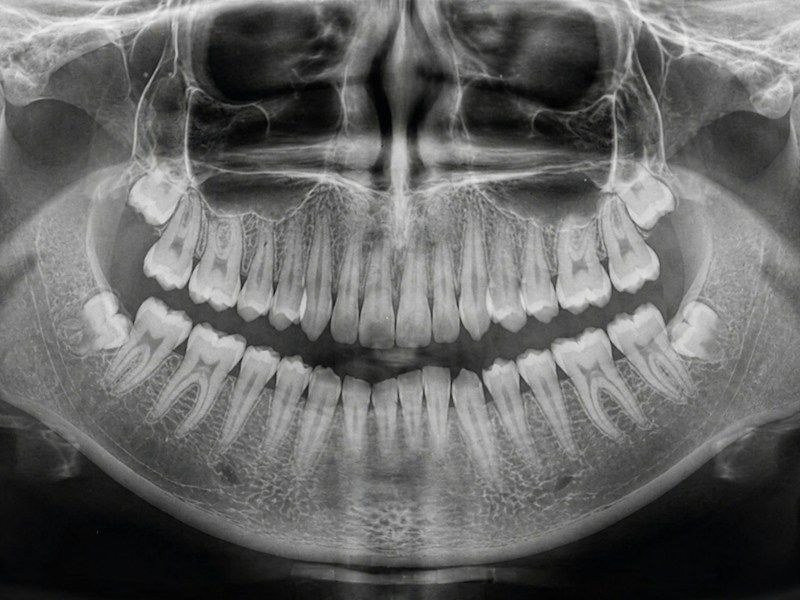
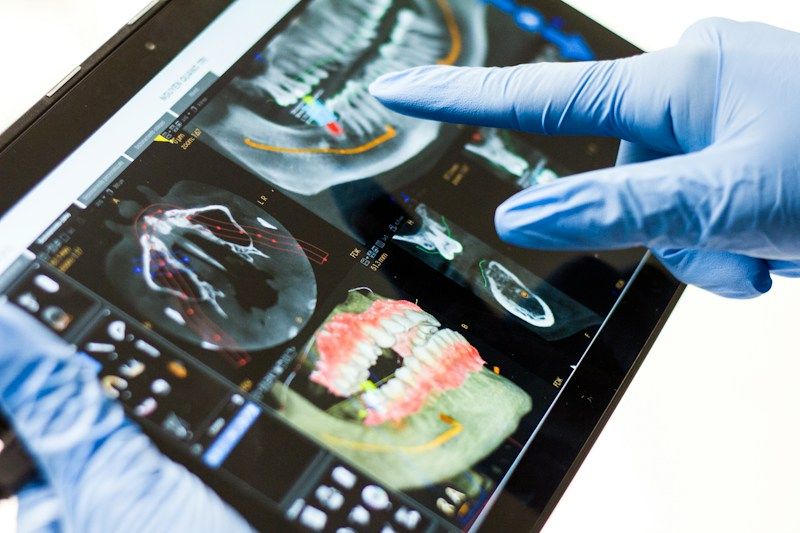
We examine the gums, measure the recession, review X-rays and, where it helps, use 3D imaging. We discuss the causes and whether a graft will help.
Addressing the cause
We tackle whatever is contributing — brushing technique, grinding or active gum disease — so that the graft is protected.
The graft
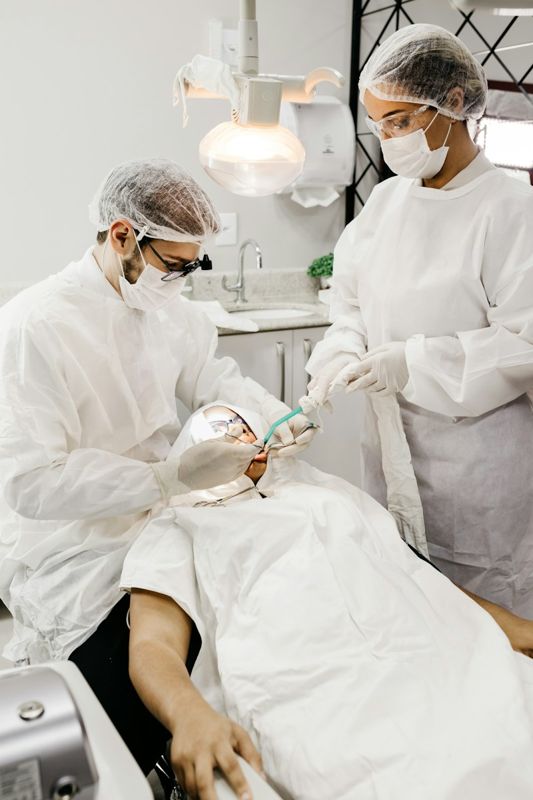
Under local anaesthetic, the area is prepared and the graft is placed and secured with fine sutures.
Healing and review
We give you detailed care instructions and review your healing at set intervals.
Benefits
- Can cover exposed root surfaces and reduce sensitivity
- Thickens thin gum to help protect against further recession
- Helps make the area easier to keep clean
- Performed by a registered specialist periodontist
After your treatment
Expect some swelling and tenderness for the first few days. Follow the instructions carefully: avoid brushing the area until told, eat soft cool food, and avoid pulling on your lip to look. Healing takes several weeks, and results vary from person to person.
Questions people ask
Where does the graft tissue come from?
It may be taken from the roof of the mouth or another source, depending on what suits your case. We explain the options at your assessment.
Will it cover the whole root?
Not always. How much can be covered depends on the tooth and the bone beneath it. We tell you what is realistic before we begin.
How long is the recovery?
The first week is the most uncomfortable, and full healing takes several weeks. We guide you through it.
Provided by our registered specialist periodontist at Isa Family Dental, 70 Camooweal St, Mount Isa.
This page is general information and is not a substitute for a dental examination. What is right for you depends on your own teeth, gums and health, and we will explain your options before any treatment. As with any health treatment, results and risks vary between people.