About tooth extractions
We always prefer to keep a natural tooth where it can be saved. But some teeth are too damaged by decay, infection, fracture or gum disease to be repaired, and removing them is the sensible course.
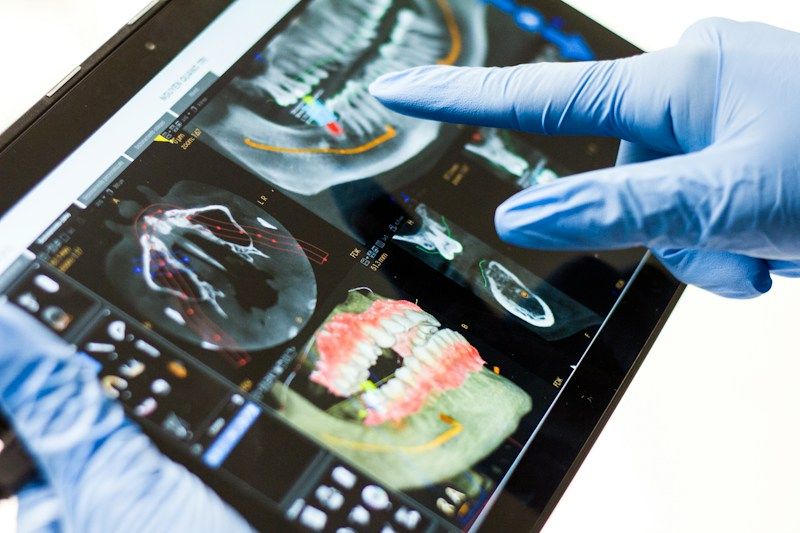
Where it helps, we plan an extraction with our in-house cone beam CT, which shows the shape of the roots and the position of nearby nerves and sinuses. That lets us plan the extraction in advance.
Who it can help
- A tooth broken below the gumline that cannot be repaired
- A tooth with decay or infection too extensive to treat
- A tooth loosened by advanced gum disease
- Teeth that need to be removed before orthodontic treatment, a denture or an implant
What happens at your appointment
Assessment and imaging
We examine the tooth and take the images we need, so we understand its roots and surroundings before we start.
Discussing your options
We explain whether the tooth can be saved, and if it cannot, what the options are for replacing it afterwards.
Numbing and removal
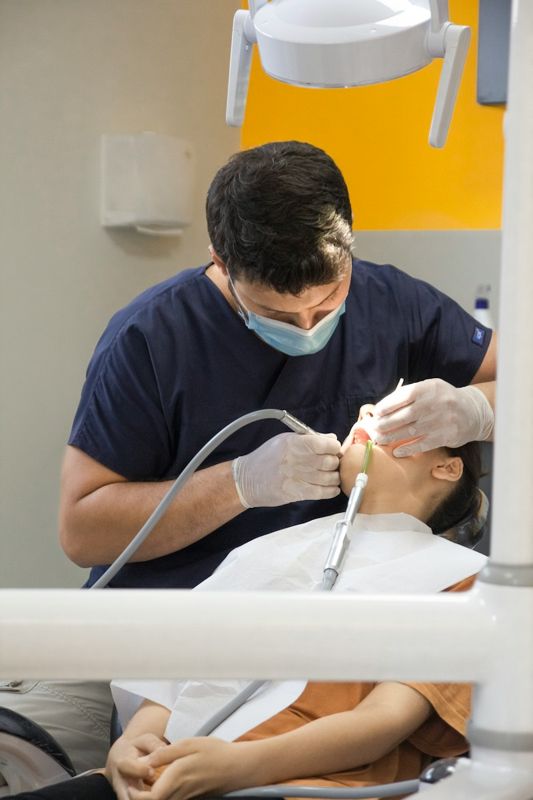
The area is numbed with local anaesthetic. You will feel pressure but should not feel pain. Some teeth need to be sectioned to be removed gently.
Care of the socket
We place a gauze to control bleeding and, where needed, stitches. You will leave with written aftercare instructions.
Benefits
- Removes the source of pain or infection
- Planned with 3D imaging where it will help
- Clear guidance for replacing the tooth afterwards if you wish
- Protects neighbouring teeth from the effects of an untreated problem
After your treatment
Bite gently on the gauze to control bleeding, avoid rinsing, spitting or using a straw for the first day, and eat soft, lukewarm food. Do not smoke. Some swelling and tenderness is normal over a few days. Please contact us if bleeding will not stop, pain worsens after the third day, or you develop a fever.
Questions people ask
Will I need to replace the tooth?
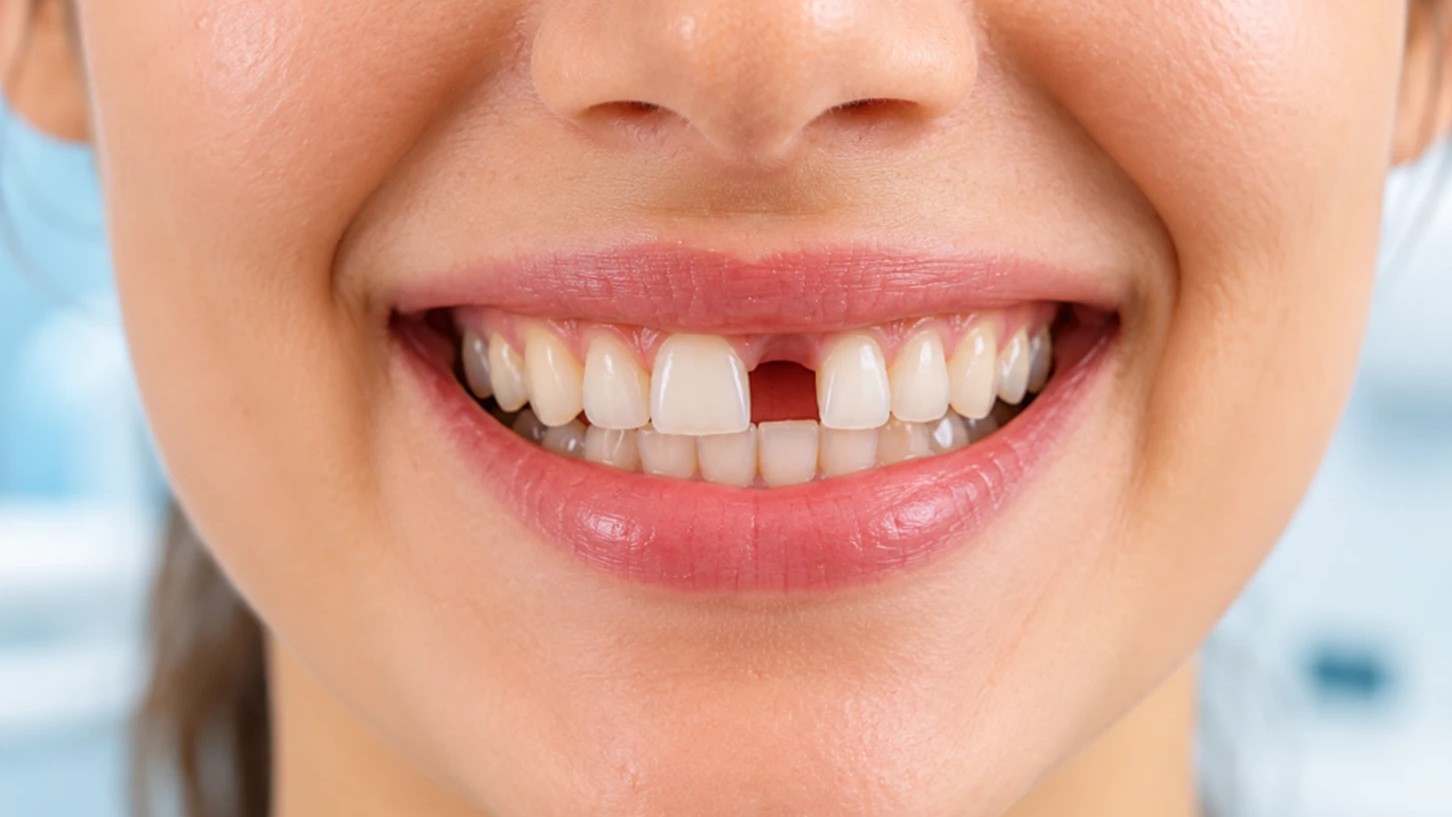
Not always, but a gap can let neighbouring teeth drift and change your bite. We will talk through replacement options, including implants, bridges and dentures.
Can I eat normally afterwards?
Stick to soft, lukewarm food for the first day or two and chew on the other side. We will give you specific advice.
What about wisdom teeth?
Wisdom teeth are assessed individually. See our page on wisdom tooth removal.
Provided by our dentists at Isa Family Dental, 70 Camooweal St, Mount Isa.
This page is general information and is not a substitute for a dental examination. What is right for you depends on your own teeth, gums and health, and we will explain your options before any treatment. As with any health treatment, results and risks vary between people.